
Sri Lanka Whale Watching: Best Season, Mirissa vs Trincomalee & Travel Tips
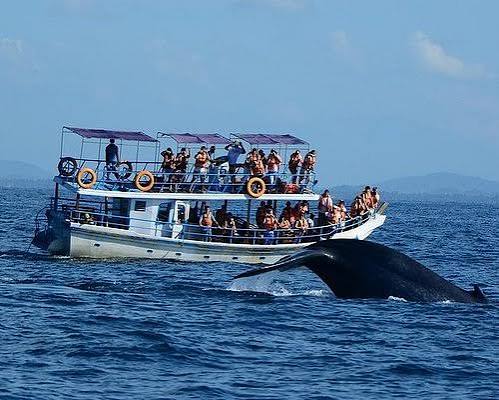
Planning a whale-watching trip in Sri Lanka? Compare Mirissa and Trincomalee, learn the usual seasonal windows, understand what to check before booking, and plan private transport around your marine-wildlife experience.
Watching a whale surface in the Indian Ocean can become one of the most memorable moments of a Sri Lanka holiday. The island offers opportunities to look for whales and dolphins from different coastal regions, but the best area to consider depends on your travel month, sea conditions and the type of experience you want.
If you are travelling from the United Kingdom, Germany, France, the Netherlands or another European country, planning the excursion as part of your wider island itinerary can save time and reduce unnecessary transfers.
This guide compares the main whale-watching areas, explains the usual seasonal patterns, and shares practical advice for choosing an operator and arranging transport around your trip.
Where Can You Go Whale Watching in Sri Lanka?
Three areas commonly considered for marine-wildlife excursions are Mirissa on the south coast, Trincomalee on the east coast and Kalpitiya in the northwest. They have different seasonal patterns and are not interchangeable throughout the year.
1. Mirissa: The South Coast Option
Mirissa is one of Sri Lanka's best-known departure points for whale-watching excursions. It is particularly associated with trips in search of blue whales and may also offer sightings of dolphins or other marine mammals.
The usual south-coast season is approximately November to April, although conditions vary. December to March is commonly considered an important period for trips from Mirissa, while February to April can sometimes offer calmer sea conditions. These patterns do not guarantee a sighting or a smooth boat journey.
Mirissa can fit naturally into a south-coast itinerary that also includes Galle Fort, Unawatuna or other coastal destinations. If whale watching is a priority, consider staying nearby the night before rather than making a long road journey before an early morning departure.
2. Trincomalee: The East Coast Option
Trincomalee and the neighbouring Nilaveli area are popular choices to investigate for marine-wildlife experiences during the east-coast season. The area is associated with whale and dolphin watching, with sightings depending on location, season and sea conditions.
The main operating period is generally around March or April through September, with May to August often treated as a useful seasonal window. Exact opening dates and operating schedules differ by provider, and the sea can still affect departures.
Trincomalee can work well for visitors whose holiday focuses on the east coast, beaches, cultural sites and marine experiences. It is a considerable distance from the south coast, so trying to include both regions in a short trip may add unnecessary road travel.
3. Kalpitiya: Particularly Known for Dolphins
Kalpitiya in northwestern Sri Lanka is another area to research for marine-wildlife excursions, especially dolphin watching. The species that may be encountered and the operating conditions depend on the particular trip and season.
If seeing dolphins is your main interest, ask local operators which excursions are running during your dates and what wildlife is realistically expected. A whale-watching label should not be taken to mean that a particular species will be seen.
When Is the Best Time for Whale Watching in Sri Lanka?
Because the island has two main coastal regions with different seasonal conditions, visitors should choose the departure area according to their travel dates rather than assuming every location is suitable year-round.
- November to April: Mirissa and parts of the south coast are generally the main options to investigate.
- Approximately March to September: Trincomalee and parts of the east coast may offer more suitable seasonal opportunities.
- November to April: Kalpitiya is often considered for dolphin-watching trips, with possible variation in other wildlife sightings.
These are general seasonal guides, not fixed operating guarantees. Weather, wind, swell, local conditions and operator decisions can alter departure schedules. Always ask about the actual operating status for your dates before finalising a non-refundable itinerary.
Mirissa or Trincomalee: Which Should You Choose?
The right location is usually the one that fits your travel month and route most efficiently.
Choose Mirissa if:
- Your trip falls within the usual south-coast whale-watching season.
- You are already planning to visit Galle or other southern coastal destinations.
- You want to combine a morning boat excursion with a few relaxed days on the south coast.
Consider Trincomalee if:
- Your trip is planned during the usual east-coast season.
- You want to explore Trincomalee, Nilaveli or nearby east-coast attractions.
- You prefer to build your itinerary around the eastern part of the island rather than cross the country for one activity.
If your travel dates fall near the beginning or end of a season, ask more than one question before committing: Is the operator currently running trips? What happens if conditions are unsuitable? Can the booking be moved or refunded? These answers matter more than relying on a general month guide alone.
What Can You Expect to See?
Blue whales are among the species associated with Sri Lanka's whale-watching excursions. Depending on the location, season and conditions, other whales and dolphins may also be encountered.
Marine wildlife moves freely in the ocean, so no responsible operator can guarantee a sighting on a particular trip. Some excursions may see several animals, while others may see fewer or none. Travellers should plan the activity as a wildlife experience, not as a guaranteed performance.
Ask the operator what species are commonly encountered in the area, whether an experienced guide accompanies the excursion, and whether the trip focuses on wildlife observation rather than chasing animals.
How Long Does a Whale-Watching Trip Take?
Many excursions depart early in the morning and spend several hours at sea. The exact departure time and duration depend on the harbour, operator, sea state and trip format.
Confirm the meeting point and arrival time directly with the provider. Ask whether transport from your hotel, breakfast or refreshments, safety equipment and any applicable fees are included in the quoted price.
Do not schedule an important long-distance transfer immediately after a boat trip unless you have allowed sufficient flexibility. Sea conditions can change the timing of a return, and travellers may need time to rest after several hours on the water.
How Much Does Whale Watching Cost in Sri Lanka?
There is no single price that applies to every excursion. The cost may vary according to the departure location, boat type, operator, trip duration, season, inclusions and whether you book an individual seat or a private charter.
When comparing offers, request the full price and check:
- Whether the amount is per person or for the whole boat.
- Whether transport between your hotel and the harbour is included.
- Whether food, water, guide services and safety equipment are provided.
- Whether park, permit or other applicable fees are included.
- What the cancellation, rescheduling and bad-weather policies say.
- Whether children can participate and whether any age or health restrictions apply.
Prices published online may be outdated, may refer to different boat types, or may exclude additional charges. Ask the provider for a current written quotation before comparing prices or making a payment.
How to Choose a Responsible Whale-Watching Operator
Choose an operator that puts passenger safety and marine-wildlife protection first. Boats should operate in line with applicable laws and safety requirements, and the crew should explain what passengers need to do before departure.
Before booking, ask about:
- Boat registration or applicable operating authorisations.
- Life jackets, onboard safety equipment and emergency procedures.
- Weather-related cancellations and how changes are communicated.
- Whether the boat maintains appropriate distance from whales and dolphins.
- Whether crew members avoid chasing, feeding or deliberately disturbing animals.
- How the provider handles rubbish and protects the marine environment.
Sri Lanka Tourism Development Authority publishes a Guideline for Whale and Dolphin Watching. The Sri Lanka Coast Guard has also highlighted passenger safety and responsible, environmentally sustainable practices in its 2026 awareness programme for whale-watching boat operators.
Do not enter the water or try to touch or feed marine wildlife. Follow the crew's instructions and respect any restrictions in place for the excursion.
What If You Experience Seasickness?
Whale watching takes place offshore, where swell can be stronger than it appears from the beach. Some passengers may feel unwell even when the harbour looks calm.
If you are concerned about motion sickness, ask the operator about the expected sea conditions and trip length. Speak to a qualified healthcare professional or pharmacist about suitable prevention options if needed, especially if you have medical conditions, take medication or are travelling with children.
Wear comfortable clothing, follow the crew's safety advice and confirm what food, water and facilities will be available. If the sea is rough, follow the operator's decision about whether it is safe to depart.
How to Add Whale Watching to a Sri Lanka Holiday
A whale-watching excursion is easiest to plan when it is combined with destinations in the same region. The examples below are route ideas rather than fixed packages.
Example: South Coast Holiday
During the usual Mirissa season, you could plan a stay around Mirissa or another suitable south-coast base, visit Galle Fort, and include other nearby sightseeing based on your interests. Allow an overnight stay near the departure harbour when the excursion starts early.
Example: East Coast Holiday
During the usual Trincomalee season, consider staying around Trincomalee or Nilaveli and combining the boat excursion with nearby beaches and cultural sightseeing. Check activity schedules and sea conditions before deciding how many nights to allocate.
Example: A Longer Sri Lanka Tour
If you want to explore cultural attractions, hill-country scenery and the coast in one trip, select the best whale-watching region first based on your travel dates. Then build the overland route around it rather than travelling across the island solely for a single excursion.
Keep the day before the activity flexible where possible, and avoid arranging an international airport transfer immediately after an early-morning boat trip unless the schedule leaves a generous buffer.
Planning Private Transport Around Your Excursion
Transport arrangements can make a difference when your boat trip starts early or your holiday includes several destinations. Before arranging a car or van, confirm your hotel location, harbour meeting point, passenger count, luggage requirements and return plans.
For a multi-day trip, ask for a quotation based on the agreed route and dates. Confirm the vehicle category, pickup and drop-off arrangements, fuel, tolls and any additional costs in writing.
Fabloos Lanka Travels can help plan private transport and sightseeing arrangements around your wider Sri Lanka itinerary. Whale-watching departures, boat tickets, activity prices and operating conditions should be confirmed directly with the relevant activity provider unless otherwise agreed in writing.
Frequently Asked Questions
Can I guarantee seeing a blue whale in Sri Lanka?
No. Whale sightings depend on animal movements and conditions at sea. Choose an operator that explains this clearly rather than promising guaranteed sightings.
Should I choose Mirissa or Trincomalee?
Start with your travel month and existing route. Mirissa is generally associated with the November-to-April south-coast season, while Trincomalee is commonly considered during the east-coast season from around March or April to September. Confirm current conditions with the operator.
Should I book in advance?
Advance contact can help you check departure times, capacity and current availability, especially if your schedule is fixed. Confirm the payment, cancellation and rescheduling policies before paying.
Can I visit Galle and go whale watching on the same day?
That depends on the confirmed boat departure and return time, the harbour location and your onward transport. In most cases, it is more comfortable to keep the rest of the day flexible rather than create a tightly timed sightseeing schedule.
Can Fabloos Lanka Travels arrange my entire whale-watching excursion?
Fabloos Lanka Travels can help with private transport and sightseeing planning around your holiday. Confirm boat bookings, activity availability and the exact inclusions separately with the relevant provider unless they are specifically listed in your agreed quotation.
Plan Your Sri Lanka Whale-Watching Holiday
Whether you are visiting the south coast during the Mirissa season or planning an east-coast holiday around Trincomalee, start with your travel month, preferred destinations and the time you can allocate to the excursion.
Once your activity date and meeting point are confirmed, arrange any required private transport and surrounding sightseeing with realistic travel-time allowances.
Contact Fabloos Lanka Travels with your arrival and departure dates, number of travellers and preferred destinations to discuss a private transport and sightseeing plan for your Sri Lanka holiday.
Plan Your Sri Lanka Trip on WhatsApp
Related Sri Lanka Travel Guides
Planning your Sri Lanka trip?
Share your dates, traveller count, preferred hotels and budget. We’ll help you plan a private Sri Lanka tour.
Get Your Tour Quote on WhatsApp