
Sri Lanka Birdwatching Holidays: Endemic Birds, Best Locations & Travel Tips
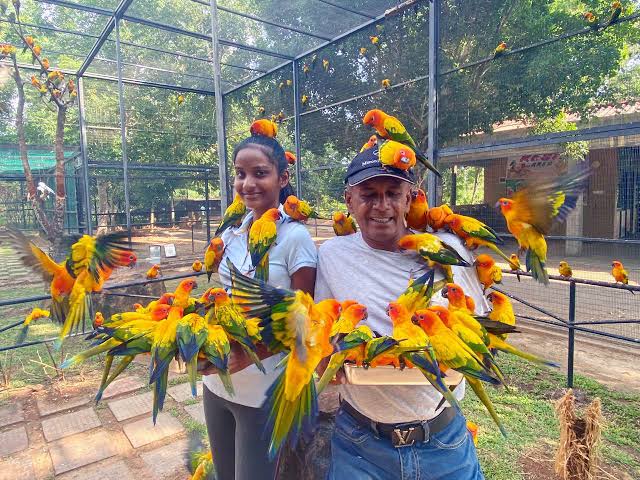
Planning a birdwatching holiday in Sri Lanka? Explore rainforest, highland and wetland birding locations, learn about seasonal migration, and discover how to plan private transport around your birdwatching itinerary.
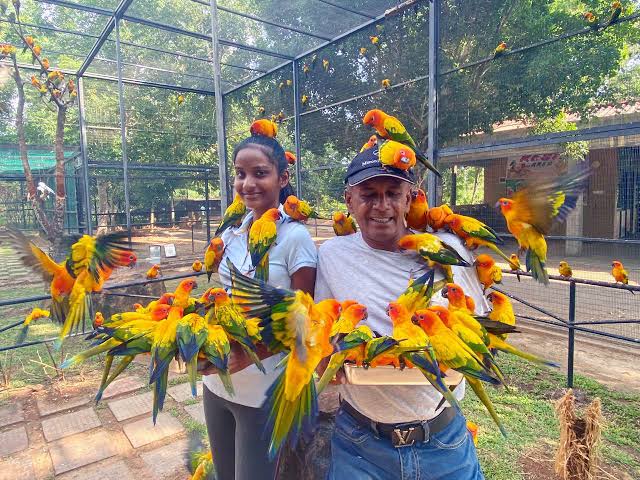
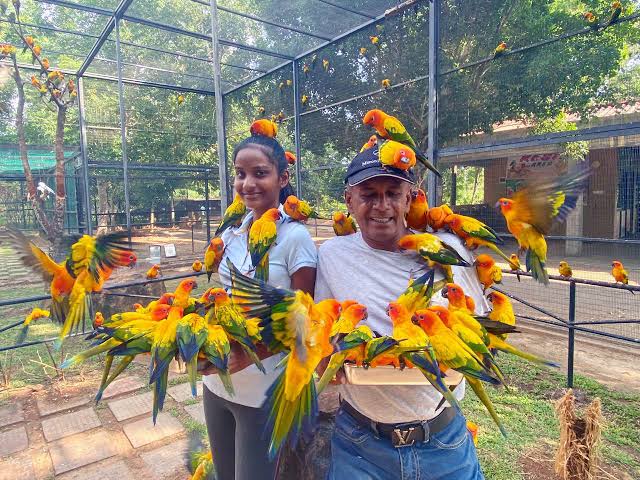
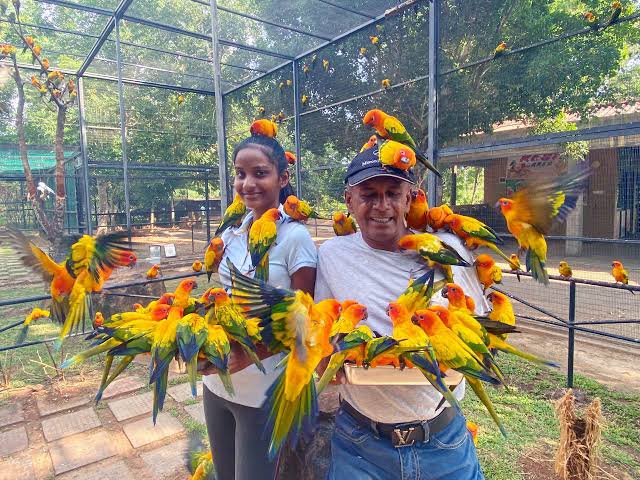
Sri Lanka is an exciting destination for birdwatchers who want to explore tropical forests, mountain habitats, wetlands and coastal lagoons in one island journey. Resident birds can be observed throughout the year, while seasonal visitors add another dimension to the experience.
For travellers arriving from the United Kingdom, Germany, France, the Netherlands and other European countries, a carefully planned birdwatching holiday can combine selected habitats with comfortable overland travel, cultural experiences and time to rest between early-morning outings.
This guide introduces important birdwatching areas, explains how to plan around the seasons, and outlines what to consider when arranging specialist guiding and private transport.
Why Choose Sri Lanka for a Birdwatching Holiday?
Sri Lanka has a remarkable variety of habitats within a relatively compact island. These include lowland rainforest, montane forest, dry-zone woodland, freshwater tanks, wetlands, mangroves and coastal lagoons.
Different habitats support different bird communities. A route that combines several ecological zones can offer a more varied experience than spending the entire holiday in one area.
Birdwatchers may be especially interested in Sri Lankan endemic species, including birds such as the Sri Lanka Blue Magpie, Sri Lanka Junglefowl, Yellow-fronted Barbet and Sri Lanka Spurfowl. The precise species you encounter will depend on the locations visited, time of day, weather and field conditions.
Sri Lanka can appeal to both experienced birders with a target list and travellers who simply enjoy observing birds in natural surroundings. Your itinerary should reflect your level of interest rather than assume every visitor wants an intensive specialist expedition.
When Is the Best Time for Birdwatching in Sri Lanka?
There is no single month that is best for every birdwatching location. Resident species can be found throughout the year, while migratory birds add seasonal variety.
October to April: A Useful Period for Migratory Birds
The period from approximately October to April is often considered an important window for observing migratory birds in Sri Lanka. Wetlands, lagoons and other suitable habitats may attract waders and other visitors travelling from northern regions.
This period can be useful for travellers who want to combine resident endemic species with seasonal migrants. Conditions differ between regions, however, and rain may still affect particular sites.
May to September: Plan Around the Regional Weather
During the southwest monsoon period, heavy rain can affect travel and walking conditions in parts of the wet zone. Some dry-zone locations may be more practical for a route during particular weeks, subject to local weather and habitat conditions.
Do not assume that every rainforest or wetland is unsuitable during the monsoon, or that every dry-zone site will be easy to visit. Confirm access, current trail conditions and the recommended locations with a knowledgeable local birding guide.
Which Month Should You Choose?
If your main objective is to look for migratory species, the October-to-April period is a useful starting point for planning. If you are mainly interested in resident endemic species, the route and habitats may matter more than selecting one universally perfect month.
Before booking flights and accommodation, discuss your priority species, travel dates and preferred pace with a specialist birding guide. No month or location can guarantee a particular sighting.
Best Places to Consider for Birdwatching in Sri Lanka
1. Sinharaja Forest Reserve
Sinharaja is an important lowland rainforest destination for visitors interested in forest birds and Sri Lankan endemics. Its dense vegetation and forest environment make it different from open wetlands or dry-zone parks.
Birdwatching here often involves moving slowly, listening carefully and searching for birds within the forest canopy and undergrowth. Some species can be difficult to spot, even with an experienced guide.
Arrange your visit around the relevant access rules, trail conditions and local guiding requirements. Forest walks can be physically demanding for some travellers, so ask about walking distance, terrain and the expected duration before selecting an outing.
2. Horton Plains and the Central Highlands
The central highlands provide a very different environment from the lowland rainforest. Horton Plains and nearby highland habitats are worth considering for travellers interested in montane birdlife and cooler landscapes.
Weather can change quickly in the highlands, and early departures may be necessary for particular outings. Check the conditions, park access arrangements and walking requirements before travelling.
Because the highlands are at a different elevation from the lowlands, allow time for road transfers and avoid adding too many unrelated stops to the same day.
3. Kitulgala and Riverine Forests
Kitulgala is a location to investigate for forest and riverine birdwatching. Its vegetation and surrounding habitats can add variety to a route that also includes the central highlands or other wet-zone destinations.
Birdwatching results depend on the specific habitat visited and current conditions. Confirm the walk with a knowledgeable local guide and check whether footwear, rain protection or other equipment is recommended.
4. Bundala National Park and Coastal Wetlands
Bundala is an important place to consider for wetland and coastal birdwatching. Lagoons, shallow waters and other habitats can attract waterbirds, including seasonal migrants.
For visitors who are most interested in wetland birds, this kind of environment offers a different experience from searching for elusive species in thick rainforest.
Check the park's admission requirements, access arrangements and conditions. If your visit involves a vehicle-based excursion, ask whether the proposed activity and any associated fees are included in your quotation.
5. Muthurajawela and Negombo Wetland Areas
Wetlands around the Negombo area can be useful to investigate for a shorter birdwatching outing, particularly when you do not want to begin your holiday with a long road journey.
The suitable location and activity depend on current access arrangements, the habitat being visited and the experience you want. Confirm the operating details of any boat-based or guided excursion directly with the relevant provider.
A nearby wetland visit may also work for travellers who want to spend their first or final night near the airport while including a nature experience in the itinerary.
6. Yala and Other Dry-Zone Habitats
Dry-zone habitats can add birds associated with more open landscapes, scrub, woodland and seasonal water sources to a birdwatching route.
Yala is widely known for larger wildlife, but its varied habitats may also interest birdwatchers. A bird-focused outing, however, should not be treated as identical to a general safari or a leopard-focused game drive.
If birds are your main objective, confirm with the guide how much time will be allocated to bird identification, listening and observation, and whether the selected route suits the species you hope to find.
Endemic Birds to Learn About Before Your Trip
Travellers preparing for a birdwatching holiday may want to research some Sri Lankan endemic species in advance. A target list can help you communicate your interests to a guide and decide which habitats to prioritise.
- Sri Lanka Blue Magpie: A distinctive forest bird and an important target for many endemic-bird enthusiasts.
- Sri Lanka Junglefowl: Sri Lanka's national bird, associated with forest and other suitable natural habitats.
- Yellow-fronted Barbet: A colourful endemic species that birders may look for in suitable wooded habitats.
- Sri Lanka Spurfowl: A forest-associated bird that can be challenging to find and observe.
- Yellow-eared Bulbul: A highland-associated endemic species that may be of interest to visitors exploring the central hills.
- Serendib Scops Owl: A specialist target associated with forest habitats and usually requiring knowledgeable local guidance.
This is a selection, not a complete species checklist. Taxonomy and recognised species lists can change, and the presence of a species in a region does not guarantee a sighting on a particular walk.
Should You Hire a Specialist Birding Guide?
If seeing particular species is a major reason for your trip, a specialist birding guide can make a meaningful difference. Bird calls, habitat choice, seasonal behaviour and the ability to identify birds at a distance all require knowledge that a general sightseeing guide may not have.
Before booking specialist guiding, ask:
- Which habitats and target species the guide knows best.
- Whether the guide has experience with the birds on your priority list.
- How early outings begin and how much walking is involved.
- Whether binoculars, spotting scopes or other equipment are provided.
- Whether park entry, vehicle charges or other fees are included.
- What alternative locations may be used if weather or access conditions change.
Ask for a clear description of the guiding service. A driver who transports you between destinations is not necessarily a specialist birding guide, and a wildlife safari driver may not offer the same bird-identification expertise.
How Many Days Do You Need for Birdwatching in Sri Lanka?
The ideal duration depends on whether you want a few birding walks within a general holiday or a dedicated trip to seek endemic and migratory species across multiple habitats.
3–5 Days: A Short Nature-Focused Visit
A short visit should concentrate on one region or a small number of accessible habitats. This can be suitable for travellers who want to include birdwatching within a wider Sri Lanka holiday without making birds the main focus of every day.
Do not expect to cover all major habitat types or find a long list of target species in only a few days.
7–10 Days: Several Habitats
A week or more can provide room to combine selected forest, highland or wetland locations, depending on current access and travel conditions. The route should minimise unnecessary backtracking and leave sufficient time for early-morning outings.
Prioritise the locations most relevant to your target birds rather than spending too much of the holiday driving between distant sites.
Approximately Two Weeks: A Dedicated Birding Route
A longer holiday can make it easier to visit several ecological zones and allow time for repeat visits when a species is difficult to find. A possible route framework could include the Negombo area, the Cultural Triangle, highland habitats, a forest destination and selected southern or coastal wetlands.
This is only an outline. The final route should be developed with a specialist guide who understands your target species, preferred pace and seasonal conditions.
How to Plan Transport for a Birdwatching Holiday
Transport planning is particularly important for birdwatching because many outings begin early and may finish at a different time from ordinary sightseeing visits.
When planning your route, consider:
- Early starts: Confirm pickup times and whether your accommodation is a practical base for the selected habitat.
- Distances between habitats: Avoid arranging long road transfers immediately before an important early-morning outing.
- Luggage and hotel changes: Check how luggage will be handled on days when you travel between regions.
- Walking access: Some habitats require a separate walk or a locally arranged activity after the road transfer.
- Flexible timing: Birdwatching can take longer than expected when an interesting sighting occurs.
- Seasonal access: Rain, trail conditions and park restrictions may affect the best route.
A private vehicle can make it easier to move between agreed stops and accommodation, but it does not replace a specialist birding guide or guarantee access to a particular birding site.
How Much Does a Birdwatching Holiday in Sri Lanka Cost?
The total price depends on the number of days, route, vehicle category, accommodation, specialist guiding and any park or activity charges.
A quotation for transport alone should not be compared directly with a specialist birding package that includes a field guide, accommodation or guided walks.
Request a written breakdown and check the following:
- Private vehicle, driver and the agreed transport days.
- Fuel, tolls, parking and other road-related expenses.
- Accommodation and meals, if included.
- Specialist birding guide fees and guiding hours.
- Park entrance tickets, permits and any local activity fees.
- Equipment hire or other extras, if offered.
- Cancellation terms and arrangements for weather-related changes.
Prices can change by date and operator. Ask for a current quotation based on your actual route and travel period instead of relying on a generic online price.
Responsible Birdwatching and Forest Visits
Wild birds should be observed without causing unnecessary disturbance. Keep a respectful distance, avoid handling nests or eggs, and do not attempt to touch or feed birds.
Follow site rules and your guide's instructions. Avoid leaving rubbish, keep noise low where appropriate, and do not use calls or recordings in ways that may disturb birds or violate local guidance.
For forest walks, wear suitable footwear and clothing and follow instructions about trails, weather and safety. Access restrictions and site rules should be confirmed before your visit.
What Should You Send When Requesting a Birdwatching Itinerary?
If you want a route and transport quotation for a birdwatching holiday, prepare the details that influence how the journey should be planned.
- Your arrival and departure dates.
- The number of travellers.
- Your preferred trip length and pace.
- Your main birding interests, such as endemic species, migratory birds, rainforest birds or wetland birds.
- The locations you particularly want to visit.
- Whether you have already arranged a specialist birding guide or need to research one.
- Your accommodation preferences and any mobility requirements.
A target species list is helpful, but you do not need to know every destination before making an enquiry. Explain what interests you most, and use that as the starting point for route planning with an appropriate specialist.
Plan Your Sri Lanka Birdwatching Holiday with Fabloos Lanka Travels
For travellers who want to explore several regions of Sri Lanka, transport and route planning can help the holiday run more smoothly. Fabloos Lanka Travels can discuss private transport and sightseeing arrangements around your preferred birdwatching route.
If you require specialist bird identification or guided forest walks, confirm those services with a suitably experienced birding guide. The availability, cost and inclusions of any third-party activity should be agreed separately unless they are specifically listed in your final quotation.
Send us your travel dates, group size, preferred locations and main birdwatching interests so that the proposed route and transport requirements can be discussed.
Request a Sri Lanka Birdwatching Transport Quote on WhatsApp
Final Planning Tip
A successful birdwatching holiday depends on matching the route to the birds and habitats you want to explore. Choose a realistic number of locations, allow time for early-morning outings and confirm current access and guiding arrangements before travelling.
With a suitable route and the right specialist guidance, birdwatching can become a rewarding part of a wider Sri Lanka holiday without making every day a long-distance transfer.
Related Sri Lanka Travel Guides
Planning your Sri Lanka trip?
Share your dates, traveller count, preferred hotels and budget. We’ll help you plan a private Sri Lanka tour.
Get Your Tour Quote on WhatsApp